
- The terms of reference for the Middle East peace process launched in Madrid in 1991, and officially adopted in Washington in September 1993, remain to this day United Nations (UN) Security Council Resolutions 242, 338, and the "land for peace" equation. These principles, which are explained here, form the basis for a peaceful resolution to the Palestinian-Israeli conflict.
- UN General Assembly Resolution 181 provides the legal foundation for a two-state solution, and is, therefore, a vital factor to a final settlement of the Palestinian-Israeli conflict. UN General Assembly Resolution 194 makes clear reference to the legitimate "right of return" of the Palestinian refugees.
- UN Security Council Resolution 242 was adopted unanimously on November 22nd 1967 after the Arab-Israeli war in June 1967. It calls on Israel to withdraw its military forces to the boundaries prior to that war, thus, to return all Palestinian territories it occupied by force. ·
- In practical terms, UN Resolution 242 is the legal foundation for the Middle East peace process. It calls on Israel to withdraw its military and civilian presence from all of the West Bank, the Gaza Strip, and east Jerusalem.
- It also implies that all Israeli settlements built on Palestinian territory after the June 1967 War are illegal, and therefore, must be dismantled unconditionally. This is also emphasised in the Fourth Geneva Convention of 1949, which clearly states that "…the occupying power [Israel] cannot make demographic or territorial" changes to the territory it occupies by force. Please see Settlements fact sheet for more information.
- UN Security Council Resolution 338 was adopted by 14 votes to none (China did not vote) on October 22nd 1973 after the outbreak of the "October War." It calls on all parties involved in the conflict to cease fighting. It also calls upon the parties to implement, after the cease-fire, UN resolution 242 in all of its parts.
- This resolution re-enforces the provisions of 242, and, more importantly, gives it international legitimacy by its decision that "…negotiations shall start between the parties concerned under the appropriate auspices aimed at establishing a just and durable peace in the Middle East.
- UN General Assembly Resolution 181 was adopted on 29th November 1947. It provides the legal basis for a two-state solution. It offers a foundation upon which a Palestinian state could be established, with clear boundary definitions (including the city of Jerusalem), administrative powers of a Palestinian government, religious, civic, and political rights, as well as other legal and political foundations.
- As mentioned above, the value of this resolution today is to provide the legal and political grounds for a two-state solution. Whereas UN resolution 242 determines the boundaries of a would-be Palestinian state, this resolution underpins and re-enforces the principle behind its establishment.
- UN General Assembly Resolution 194 was adopted on 11th December 1948 after the first Arab-Israeli war. It came after the dispossession of more than 805,000 Palestinians from their homes, and provides the legal foundation for their right to return. The number of these refugees today is estimated at 5 million. Please see Refugees fact sheet for more information.
- The dispossession of the Palestinians in 1948 and 1967 is a major cause in the Palestinian-Israeli conflict; therefore, their return is a key factor in its resolution.
- UN General Assembly Resolution 66/225 was adopted on March 29th 2012, wherein the UN General Assembly reaffirmed the sovereignty of Palestinians in the Occupied Territories and of the population in the occupied Syrian Golan Heights over their natural resources. It called on Israel to stop its exploitation and depletion of those natural resources.
- UN Security Council Resolution 2234 was adopted on December 23rd 2016. It states that Israeli settlements on the Occupied Palestinian Territories is not legally valid and is a violation of international law. It calls on Israel to fulfill its duties under the Fourth Geneva convention, and demands the halt of all settlement activity.
For the most recent developments in the current Palestinian-Israeli final status talks, please go to: Remarks and Questions from the Palestinian Negotiating Team Regarding the United States Proposal
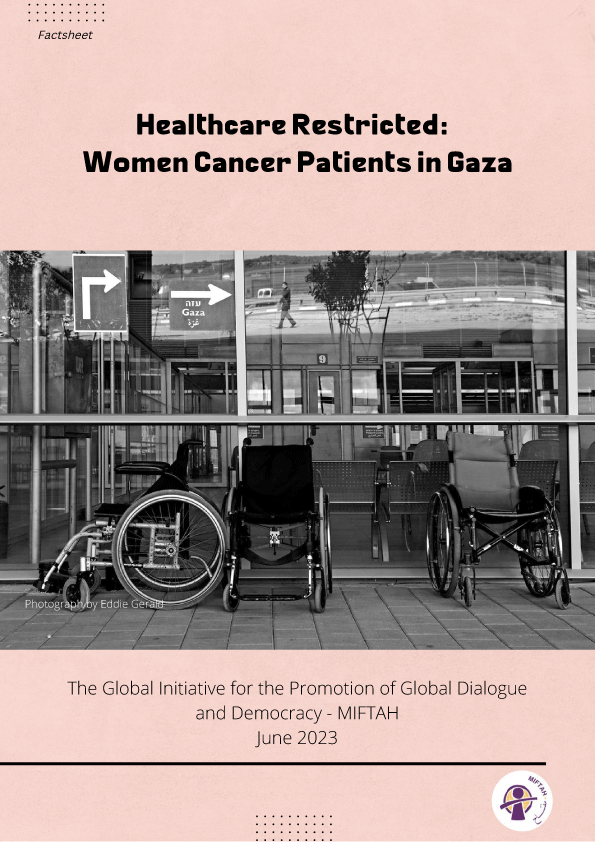
Healthcare Restricted: Female Cancer Patients in Gaza
Date posted: June 07, 2023
By MIFTAH
Background:
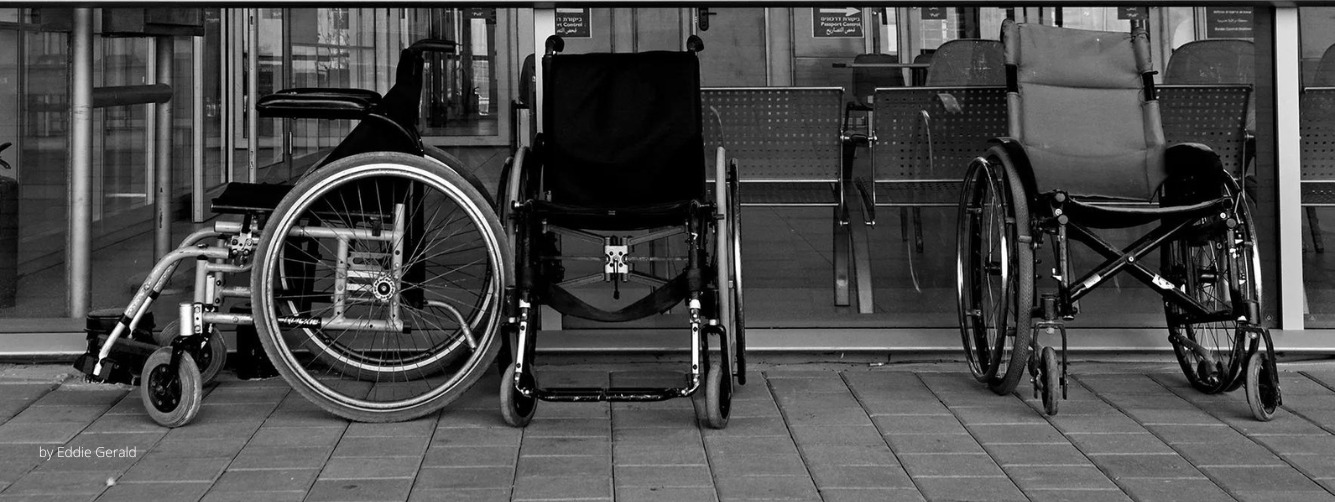
The Israeli-imposed siege and the frequent aggressions targeting medical facilities in Gaza have debilitated the health sector and its capacity to provide proper medical services. This is exacerbated in cases of chronic diseases, which gives rise to a need to leave the Gaza Strip to receive medical treatment in the occupied West Bank, including Jerusalem, or elsewhere. However, Israel imposes a strict and discriminatory permit regime, which has a disproportionate impact on medical patients given their conditions, and it is not unusual for these permits to be significantly delayed or ultimately refused by Israel.
The Palestinian Initiative for the Promotion of Global Dialogue and Democracy (MIFTAH) collected questionnaires from 102 women diagnosed with cancer in the Gaza Strip to assess the quality of the treatment, availability of equipment, accessibility, and referral process.
The full report is accessible here.
Conclusion and recommendations:
The 16-year-long Israeli-imposed blockade and closure on Gaza have had detrimental impacts on the health sector in the besieged Strip. Specifically, the siege has compromised the ability of the healthcare sector to deliver proper medical services due to the absence of crucial medication, equipment, and supplies under flimsy security pretexts. Ultimately, frequent aggressions and targeting of health facilities and the Israeli-imposed siege on Gaza compromise the availability, accessibility, and quality of healthcare services available to Palestinians in Gaza.
MIFTAH urges the international community to:
- Put an end to Israel’s impunity and hold it accountable for its persistent crimes, including the crime against humanity of apartheid, through the adoption of effective and concrete measures;
- Exert pressure to lift the blockade on the Gaza Strip and allow for the free movement of people and goods;
- Ensure the urgent implementation of UNSCR 1325 to provide immediate protection for Palestinian women and to put an end to Israel’s impunity;
- Support the UN Special Rapporteur in the oPt, the International Court of Justice’s advisory opinion, the ICC investigation and the UN Commission of Inquiry.
The summary factsheet is accessible here.
Financial indicators for the Family Protection Bill
Date posted: May 17, 2023
By MIFTAH
The legislation of the family protection bill is aimed at the protection of the family itself as an institution, and to guarantee its preservation. Palestinian legislators are aware of the importance of this bill, which is why all ministries and official institutions committed to developing its relevant programs, policies and plans, each according to their field of expertise. Their goal is to contribute to the promotion of a culture that combats domestic violence and encourages the response of public policies to this objective, through education, health, legislation and the media. Another objective is to track the bill’s impact and periodically assess it in cooperation with other civil societies. This paper focuses on some of the financial indicators pertaining to this bill.
All family members in Palestine are subjected to violence, including children, minors, women and men. However, married women remain the sector most vulnerable to domestic violence according to a 2019 Palestinian Central Bureau of Statistics survey. It said 29.4% of married women had been subjected to at least one type of violence by their husbands as opposed to 13% of men who had been subjected to violence by their wives, by their own confession. A total of 44.7% of individuals who have never been married have been subjected toviolence;7.6% of the elderly and 44.2% of children(12-17yearsold) were the victims of violence at the hands of one of their parents. Although a high percentage of women have been victims of violence from their spouse, a considerable percentage of these women, around 60.3% preferred to stay silent about the assault. Only a small percentage of women asked for help through official avenues; 2.9% went to a defence lawyer to file a lawsuit against their husbands, 1.3% went to the police or a family protection unit and 1.4% went to the centres for mental, social and legal aid.
Financial indicators for the Family Protection Bill
| Article of Bill/Law by Decree | Relevant party | Estimated cost |
| Article(4) specialization of Ministry of Social Development: The Ministry, in cooperation with government and civil society organizations, provide the following services to victims of domestic violence: 1.Protection and fulfilment of needs of the victim; economically and socially empowering her and reintegrating her in society in order to preserve the family fabric, while ensuring not to equate the victim with the perpetrator. 2.Appointing protection counsellors in all directorates and qualifying them to deal with domestic violence cases 3.Providingsocial, psychological and legal experts to provide victim support 4.Ensuringthe provision of social, psychological, health and legal services to domestic violence victims in coordination with relevant parties. 5.Preparing rehabilitation programs for perpetrators of domestic violence crimes 6.Coordination and cooperation with government and civil society organizations to provide the necessary training for the enforcers of this law by decree. Preparing the necessary preventative plans and programs against domestic violence |
Ministry of Social Development | ILS12 million over 3 years on average of ILS4 million year, based on a study prepared by the Ministry of Social Development |
| Article 6: Family and Minors Protection Police: In accordance with the provisions of this bill/law by decree, a family and minor protection police will be established, with branches set up in all districts of the homeland. It’s specializations are the following: 1.Goingtothe place of the domestic violence incident when the informer states that the violence has occurred, is about to occur is ongoing; or in case of violation of a restraining order, even if the informer is not the victim 2.Providingfree 24-hourhotlinestohelp victims |
Palestinian police and Family and Minors Protection Department
Reform and Rehabilitation Centres Department |
ILS7.3 million/year (the study is based on the number of those working in the family and minors protection department and their mean salary)
ILS1.3 million/year (the study is based on the number of those working in reform and rehabilitation enters, which includes special sections for women boarders) |
| Article7: Family Protection Prosecution 1.In accordance with the provision of this bill/law by decree, a prosecution’s office will be established to follow up on domestic violence cases in all districts and will operate under the supervision of the Attorney General in accordance with penal measures in force. 2. This family protection prosecution office will promptly investigate domestic violence incidents while also preserving the privacy and dignity of the victim |
Family Protection Prosecution | ILS1.7 million, based on the number of relevant prosecution agents and their mean salaries |
| Article10: parties qualified to issue restraining orders 1.Restrainingorders will be issued by the following parties of their own accord: a. Family Protection Prosecution b. The presiding judge |
Presiding judges | ILS1.9 million, based on the number of judges and their mean salaries |
| Total expected estimated cost | ILS16.2 million |
The table above shows that the estimated and main additional cost of the Ministry of Social Development to be around ILS4 million a year, considering that the other parties (police, prosecution and courts) are currently carrying out their roles without fully allocating specialized departments for protection from violence. However, if these parties do allot specialized departments for protection from violence, overall costs will reach approximately ILS16.2 million. Nonetheless, even if this cost is incurred, it still only comprises a small part of public expenditures, approximately 0.1%. Overall public expenditures for 2022 amount to approximately ILS16.2 billion, which means the cost of passing this bill and implementing its provisions will not constitute financial burden on the general budget and will not be an obstacle to ratifying the law by decree.
Furthermore, it should be noted that while it is imperative to calculate some of the costs resulting from violence against women, the reaerate the high costs as well. The secret social costs, which impact society as a whole. Data from the Ministry of Social Development showed (see graph), that violence exercised against women has prompted around 60% of them to flee their homes. Also, 18% of them attempted suicide in addition to suffering from mental and physical illnesses, unwanted pregnancies or others. Calculating expenses incurred from violence is not an easy process and there are no national data or figures that can measure the impact violence has on the state’s general budget due to the prevalent mentality towards violence as an issue associated only with women. This is especially true when the conversation is about the indirect and intangible effects of violence, including:
Violations of human rights; negative social, economic and political impacts; working women who get sick and need to take sick leave; lack of focus and productivity; impact of violence on children and academic failure; the rise in the percentage of school dropouts among children; the rise in long-term unemployment rates; the percentage of homeless children who become a burden on society; government expenditures for medical treatment; safehouses; therapy; monitoring cases of violence against women; individual expenses for following up on legal cases and lawyer fees; loss of income because of repeated absence from work or inefficacy; social expenses resulting from the breakup of the family; expenses of training individuals on how to deal with cases of violence; expenses for issuing laws and legislation on the protection of women from violence.
Confirmation of the above is that the UN believes the economic, social and health costs of violence against women are, to a large extent, undocumented and unrecognized. However, these remain colossal, according to researchers, specialists and defenders of women’s rights.
To view the full factsheet as PDF
Israeli state-sanctioned settler terrorism: A gendered lens
Date posted: April 26, 2023
By MIFTAH
Background:
The illegal Israeli settlement project, including settler-only bypass roads, military checkpoints, and the annexation wall, continues to expand and steal more Palestinian land and resources. As of today, the number of illegal Israeli settlements in the occupied West Bank, including Jerusalem, is close to 300, with around 750,000 Jewish settlers residing in them.
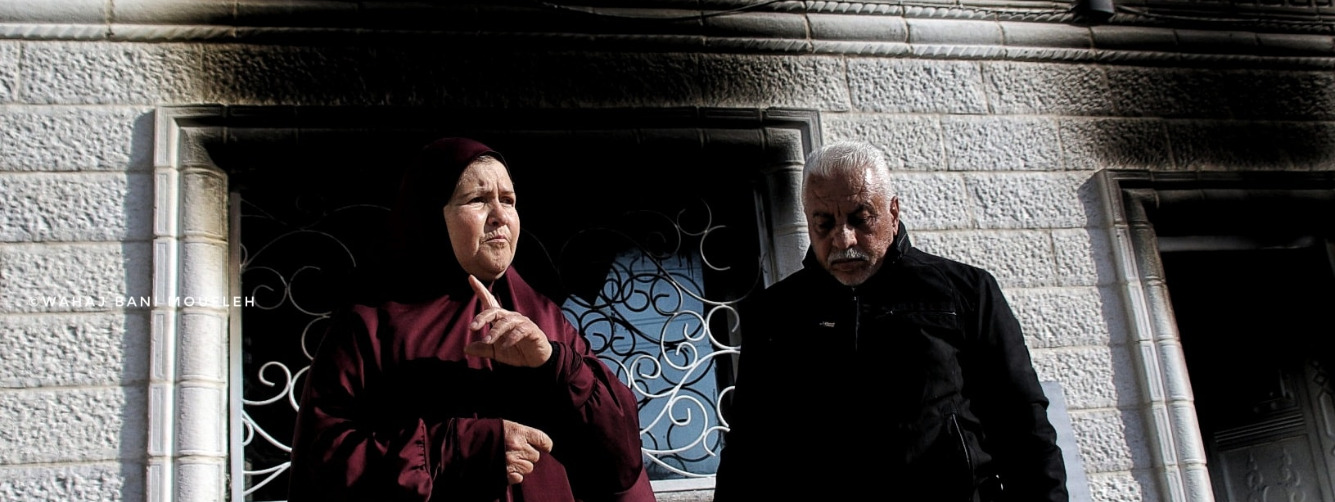
Israeli state-sanctioned settler terrorism against Palestinian civilians and property is prevalent and has been on the rise in recent years. Violence takes the form of psychological, physical, and verbal violence, including beating, throwing stones or sharp tools, intimidation, shooting, verbal assaults, and assaults on agricultural lands, cars, and homes. Such attacks are committed in the presence of Israeli occupation forces who often join them.
The high frequency of these forms of violence and their persistence give rise to psychological, physical, and material harm. Palestinian survivors of settler terrorism seldom press charges and file complaints against Israeli settlers given the complicity of the Israeli law enforcement system.
The Palestinian Initiative for the Promotion of Global Dialogue and Democracy (MIFTAH) and the Women’s Center for Legal and Counseling (WCLAC) collected questionnaires from 229 Palestinian women covering settler violence in the occupied West Bank governorates of Al-Khalil/Hebron, Bethlehem, and Jerusalem.
MIFTAH calls on the international community to:
Put an end to Israel’s impunity and hold it accountable for its persistent crimes, including the crime against humanity of apartheid, through the adoption of effective and concrete measures;
Stop all relations and trade with illegal Israeli settlements including international companies that profit from them;
Criminalize and blacklist Israeli settler groups that engage in terrorist activities and hold those with dual citizenship accountable in their respective states;
Ensure the urgent implementation of UNSCR 1325 to provide immediate protection for Palestinian women and to put an end to Israel’s impunity;
Support the UN Special Rapporteur in the oPt, the International Court of Justice’s advisory opinion, the ICC investigation and the UN Commission of Inquiry.